Update: the NEa is revising its explanation on solar panels and EREs
In late October the NEa wrote that a household may not have more electricity booked than it takes from the grid, net, over the year. After a lot of criticism the NEa will revise that explanation, together with the ministry. What does it say now, what is still unclear, and what can you do?

What happened
In late October the Dutch Emissions Authority (NEa) put a Q&A online about booking the charging electricity of private households. The core: no more may be booked than you take from the grid, net, over the year, meaning consumption minus feed-in. A worked example showed what that means for people with solar panels who feed a lot back into the grid.
That example caused a lot of unrest. In How the NEa turns the ERE logic upside down, Bart explained why we think this rule is not in the law and goes against the purpose of the ERE system.
The NEa's response
On 4 November, updated on 6 November, the NEa responded in a news item (in Dutch). It received many questions and critical signals and will revise the information on its website, in consultation with the Ministry of Infrastructure and Water Management. It wants to do so quickly but carefully. It gives no date.
What it says now
The worked example is no longer in the Q&A.
The rule itself is still there: for private households, no more may be booked than the net amount taken from the grid. The NEa adds that this answer is incomplete and will be revised shortly.
The NEa's page on booking electricity also names the net amount, consumption minus feed-in, as the upper limit.
The NEa says nothing about EREs that have already been booked or paid out, or about a transition period.
Who does it affect?
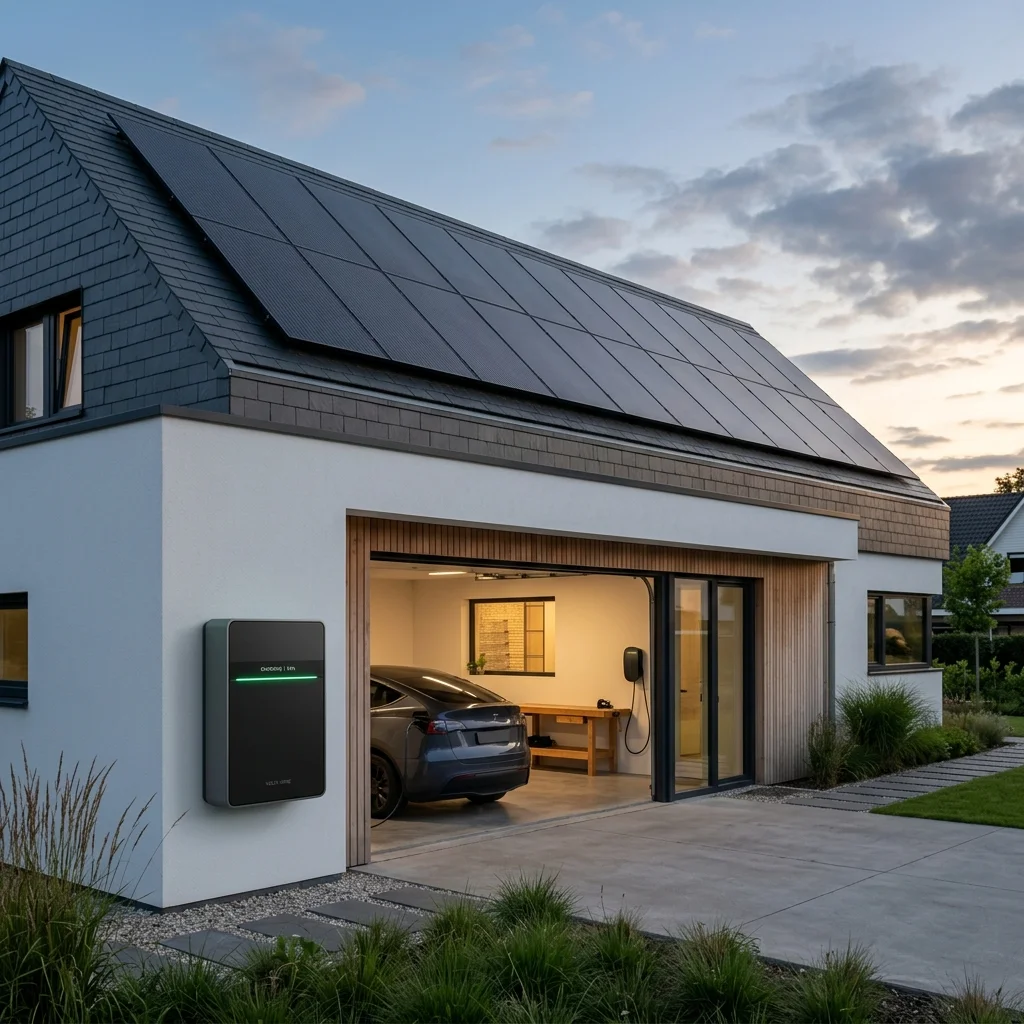
If you charge at home without solar panels, you almost always take more electricity from the grid over the year than you put into the car. Nothing changes for you.
If you have solar panels and feed a lot back, it can make a big difference. An example: you charge 3,000 kWh into the car, take 4,000 kWh from the grid over the year and feed 2,500 kWh back. Net, you take 1,500 kWh from the grid. Under the current explanation only those 1,500 kWh may be booked: about 500 EREs instead of about 1,000.
What you can do now
Write down your meter readings on 31 December or 1 January, both consumption and feed-in, or take a photo. With the readings at the start and end of the year, a booking service provider can show your net consumption.
Ask your booking service provider whether it already applies the rule, and what happens if the NEa changes its explanation: will you still be paid, or will you have to pay something back?
Don't switch in a panic. The rule applies to every booking service provider; switching does not solve it. Do check the terms for how a provider handles corrections afterwards.
What we do
Our worked examples and the net estimates in the comparison tool assume that every charged kWh counts. For households that feed a lot back, the actual payout may be lower while this explanation stands. As soon as the NEa publishes its revised information, we will post an update here and look at our explanations again.
Frequently asked questions
Does the rule already apply to 2026?
That is not clear yet. The NEa does not say whether the revision will apply retroactively, or what happens to EREs that have already been booked. Electricity charged in 2026 can be booked until 1 March 2027.
Do solar panels earn me extra EREs?
No. For private households the national average share of renewable electricity is always used, also with solar panels or a green energy contract.
I don't have solar panels. Do I need to do anything?
No. Keeping your meter readings at the end of the year does no harm, but your payout does not change.
Was this article helpful?