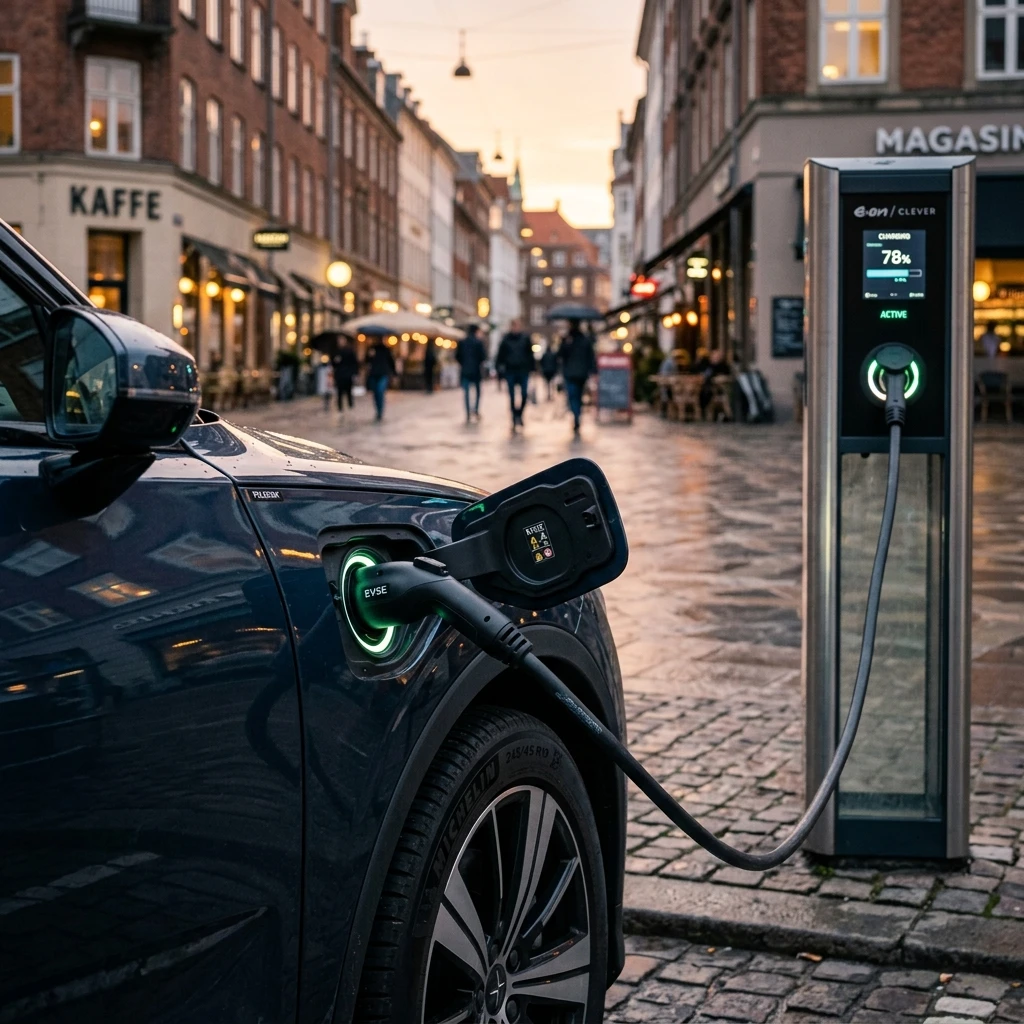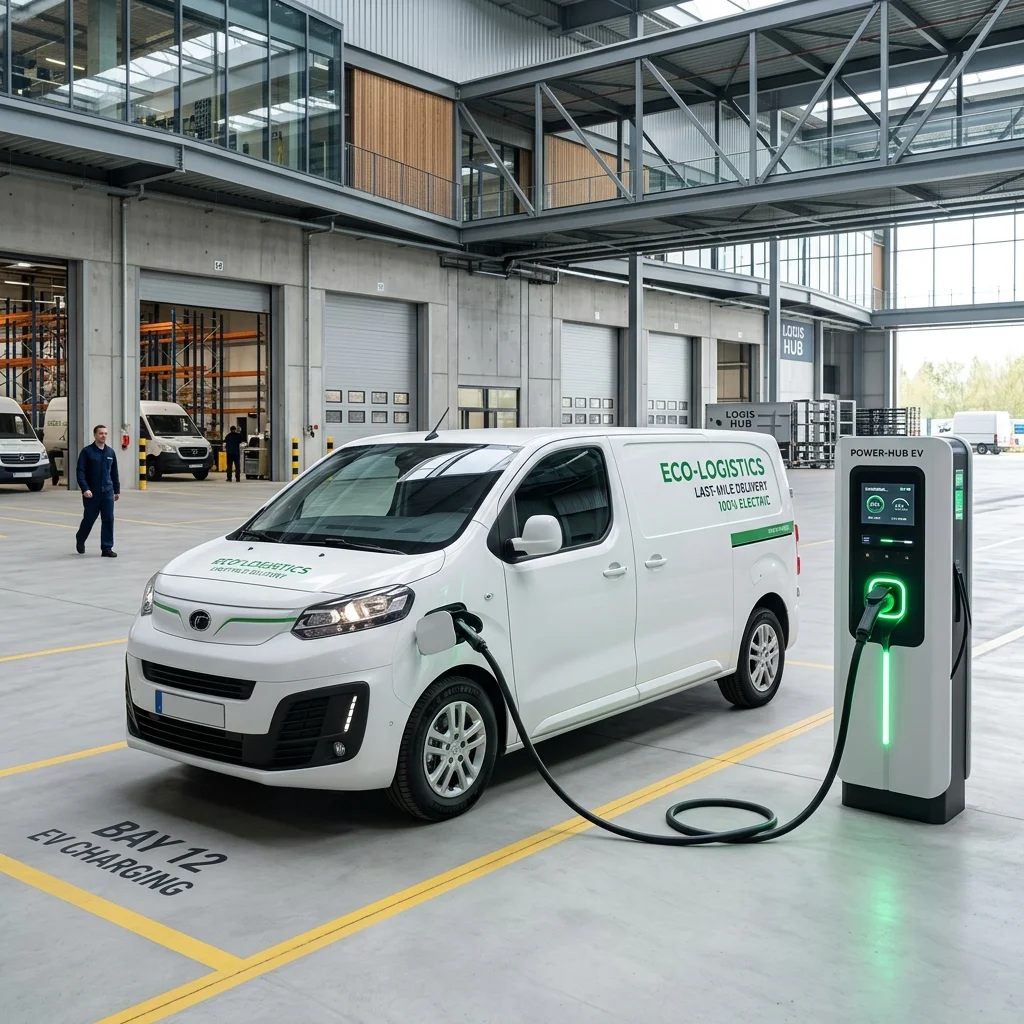
What are ERE certificates? The complete guide for home chargers
ERE certificates are the Dutch successor to HBE certificates: proof of renewable energy used in transport. How does the system work, what does a home charger need, and what does it earn? A clear explanation.

What is an ERE certificate?
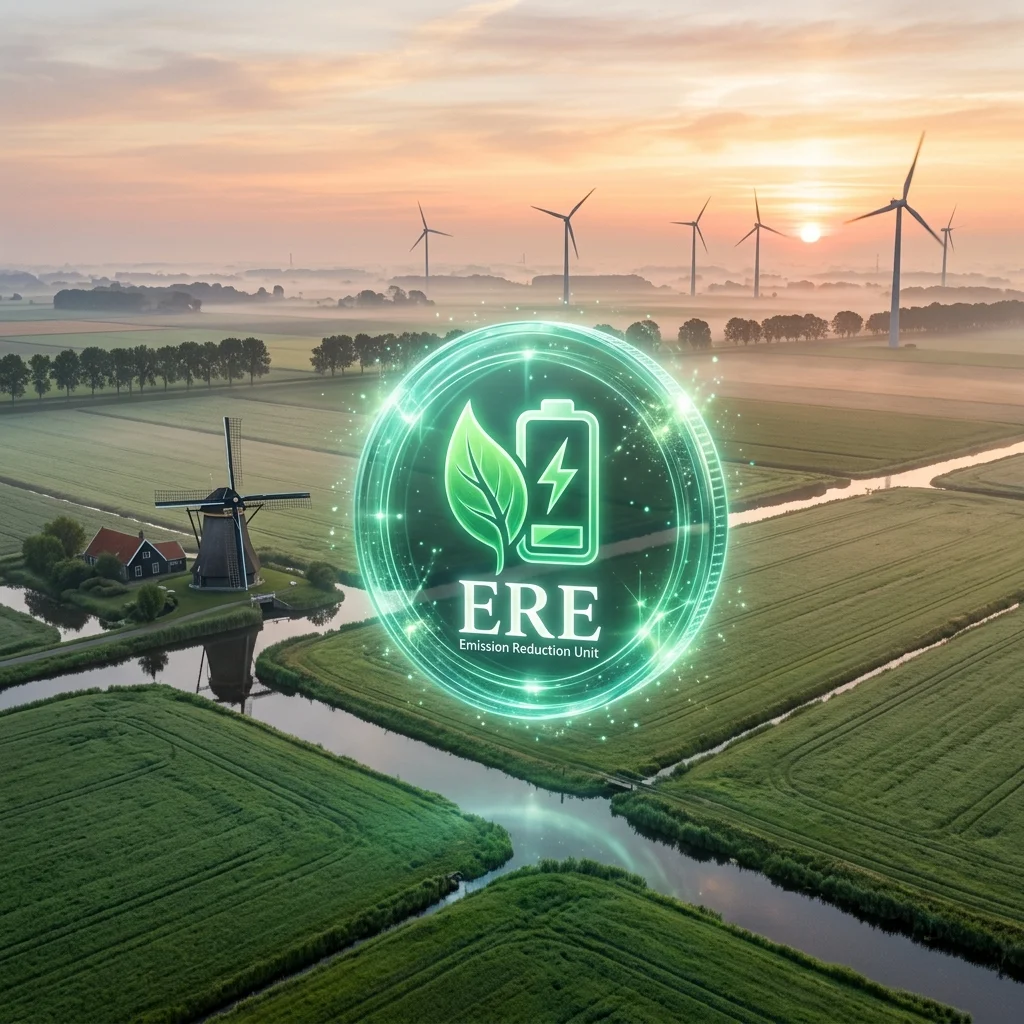
An ERE certificate (Emission Reduction Unit) is a digital proof that renewable energy has been supplied for transport. For every kilowatt-hour (kWh) you charge into your electric car at home, an ERE certificate can be issued — provided your charger meets the requirements.
The system is part of the Dutch transport fuel transition: fuel suppliers (think Shell, BP and TotalEnergies) must demonstrate annually that a set percentage of their sold energy is renewable. If they fall short via biofuels or hydrogen, they can buy ERE certificates — including those generated by your home charger.
From HBE to ERE: what changes?
Until 2026 this system was called HBE (Renewable Fuel Unit). The Dutch Emissions Authority (NEa) decided to rename it to ERE in 2026, as it better reflects the broader scope of the rules: not only fuel, but also electricity and hydrogen now formally count.
For you as a home charger, little changes in practice: booking charged electricity remains possible, no reapplication is required, and existing provider contracts transfer automatically. Tariffs and terms per provider may shift — a good moment to compare.
What does a private individual need?
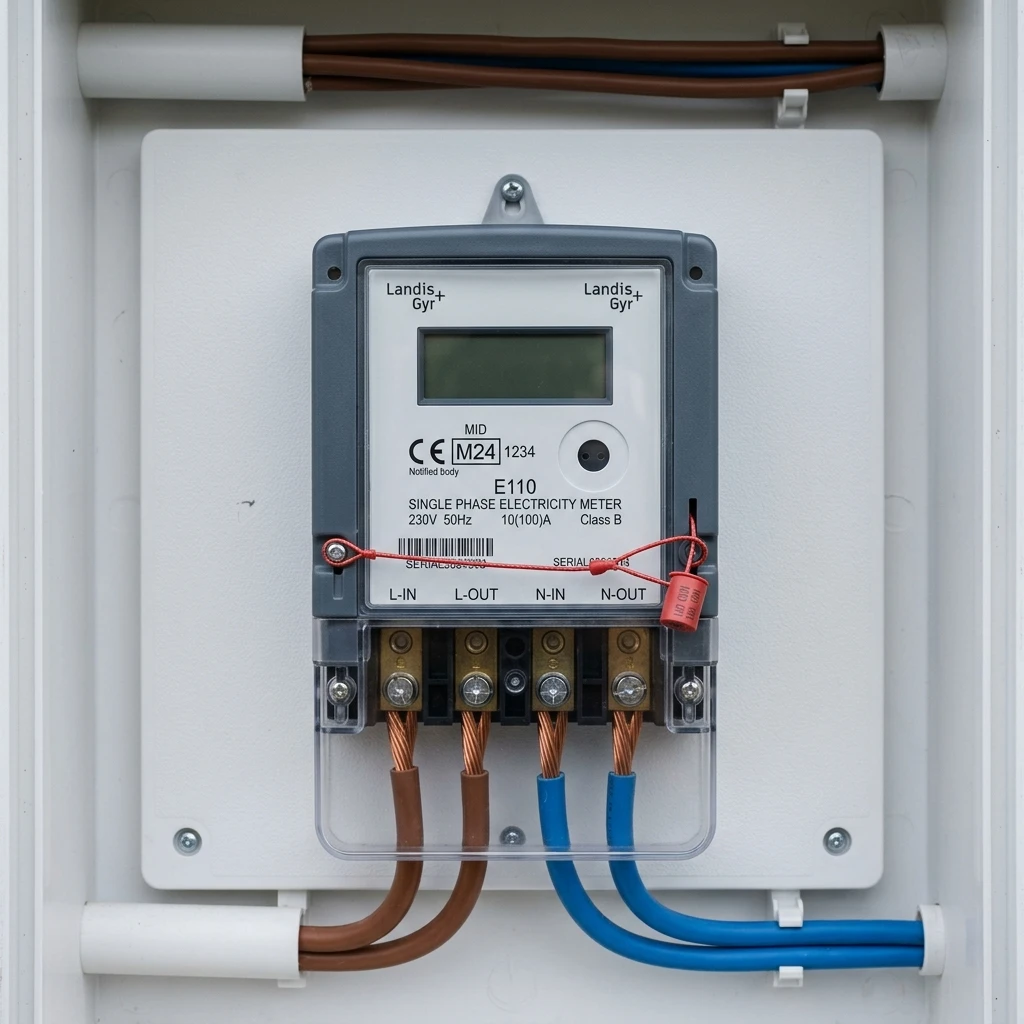
To earn ERE certificates, you need two things:
- A charger with a MID meter — only certified meters are accepted by the NEa. Not every wallbox includes one as standard.
- ERE registration via a registered provider — private individuals cannot file directly with the NEa. A middleman (the "inboeker") handles the paperwork and pays you out.
Both steps are one-off: once your charger is linked, payments run automatically each month or quarter.
What does an ERE certificate earn?
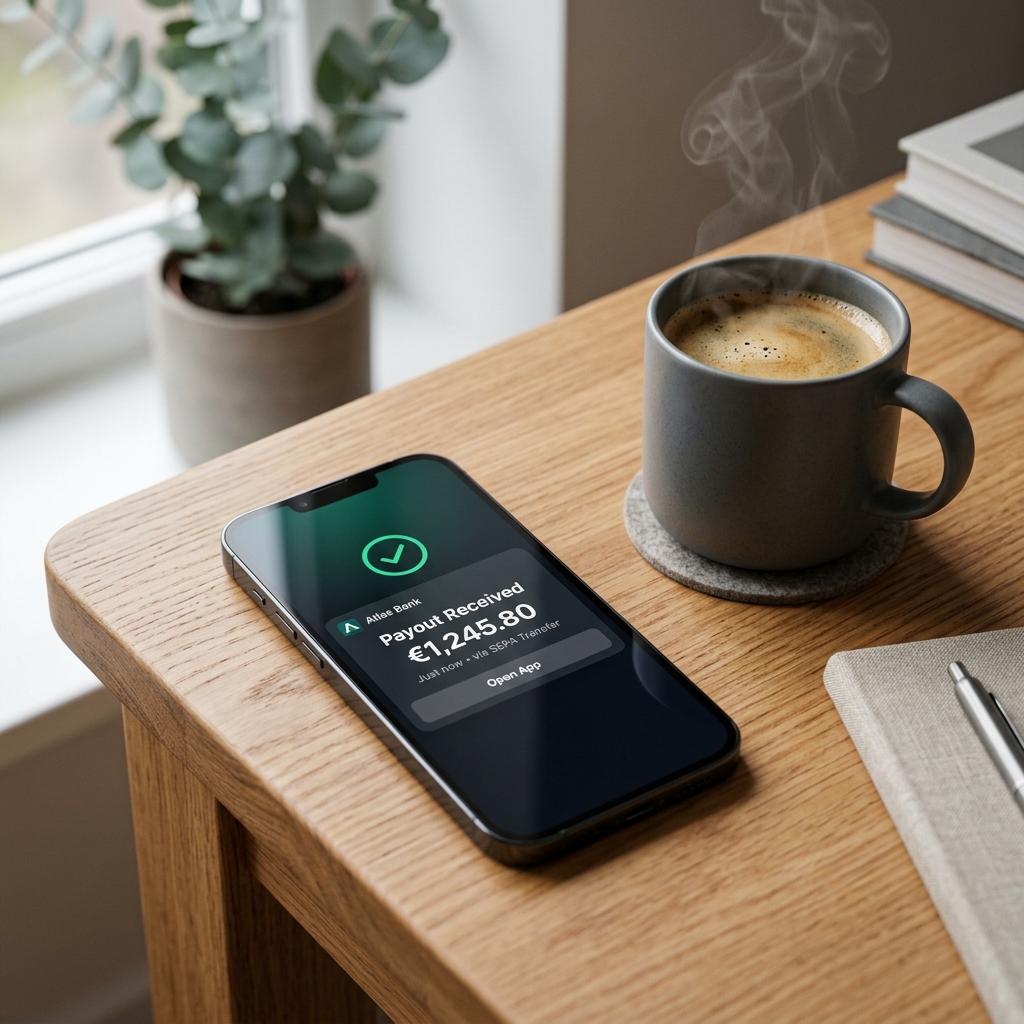
The value of an ERE certificate fluctuates on the market, similar to how electricity prices move. Rule of thumb in July 2026: around €0.12 to €0.15 per charged kWh net to you, after the provider's margin.
An average household charging 6,000 kWh per year at home — about 25,000 km of driving — can expect €720 to €900 annually. People charging only a second car at home will earn less; high-mileage drivers with a heavy EV easily earn more.
Don't pin us to a tenner up or down: these figures are deliberately indicative because no provider locks in a fixed rate and the market keeps moving. That's exactly why our value lies in the relative comparison — which provider structurally pays more than the next under equal conditions?
Getting started with your ERE registration
Setting up your ERE registration takes five minutes. Compare providers, pick one, share your MID meter readings, and receive your payout automatically. No admin, no VAT returns (for private individuals), no hassle.
Ready to start?
Compare today which ERE provider offers the highest payout for your charger.
Compare ERE providersThis information is indicative and based on the rules of the Dutch Emissions Authority (NEa) as in force at the time of publication. Market prices for ERE certificates and per-kWh payouts fluctuate continuously; always check the current terms with your provider and consult emissieautoriteit.nl for the most up-to-date regulations. No rights can be derived from the content of this article.
Was this article helpful?